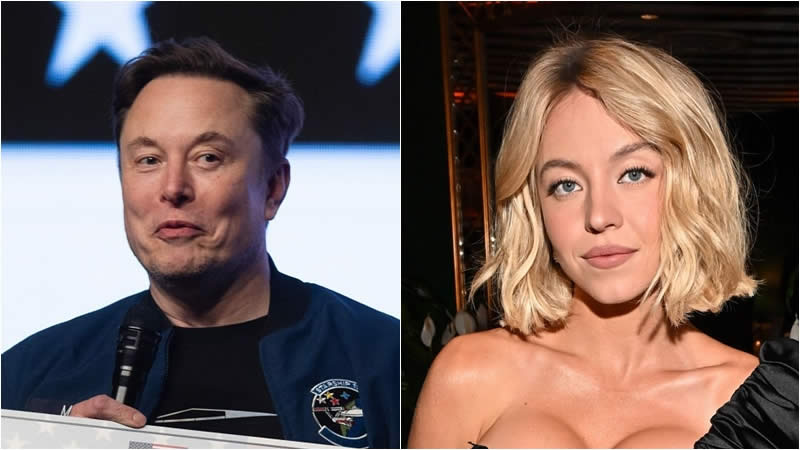
Elon Musk posted an AI-made video of Sydney Sweeney to highlight Grok updates on X. (Photo by Getty Images)
Elon Musk surprised users on X this week after sharing a short but unsettling AI-generated video featuring actress Sydney Sweeney, igniting fresh debate over deepfake technology and how far artificial intelligence should go.
The roughly 10-second clip shows an AI-generated version of Sweeney in conversation with an AI likeness of Regé-Jean Page, best known for his role in Bridgerton. Styled like a scene from a futuristic thriller, the video features flickering screens and moody lighting as the two characters calmly discuss upgrades to Grok, the AI tool integrated into X.
In the clip, the AI Sweeney asks whether Grok-generated videos can now run for 10 seconds with improved audio quality. The AI Page responds affirmatively and asks if she likes the update. She nods and smiles in response. Musk captioned the post simply: “Grok video is now 10 seconds and the audio is greatly improved.”
The timing was notable. Musk shared the video shortly after X experienced a major outage, positioning the post as both a product update and a signal that development on Grok was continuing despite platform hiccups.
The reaction was immediate and mixed. Many users jumped in to praise the apparent technical improvements, with some sharing their own AI-generated videos created using Grok. Others went a step further, remixing or reprocessing the Sweeney and Page clip to produce alternate versions, showing how quickly such content can be reused and altered once released.
Supporters of the tool highlighted Grok’s conversational abilities. One user wrote that dialogue had always been one of Grok Imagine’s strengths and now felt even more polished. Another commented that Grok “just keeps getting better,” while others responded with brief expressions of excitement.
But not everyone was impressed. Several users raised concerns about the broader implications of the technology, particularly the use of recognizable celebrities without clear consent. One commenter asked bluntly whether Sweeney would be compensated for her likeness appearing in the video. Another questioned when longer clips would be available, suggesting the technology’s rapid evolution is inevitable.
More pointed criticism focused on deepfakes. One user warned that tools like this could flood the internet with fake videos, making it increasingly difficult to tell what is real and what is AI-generated. That fear has been echoed by experts as generative video tools become more accessible and realistic.
Musk has positioned Grok as a competitive alternative to other AI models, emphasizing fewer restrictions and faster iteration. Coverage from The Verge and other technology outlets has noted that Grok’s rapid updates are part of Musk’s push to keep X at the center of the AI conversation.
Still, the Sweeney video highlights a growing tension. While AI-generated media continues to improve at a remarkable pace, public comfort with the technology has not necessarily kept up. For many viewers, the clip was less about innovation and more about the uneasy feeling that comes with seeing familiar faces recreated by machines.
As Grok evolves, the questions raised by Musk’s post are unlikely to fade. How AI tools handle likeness, consent, and authenticity may matter just as much as how impressive the technology looks on screen.