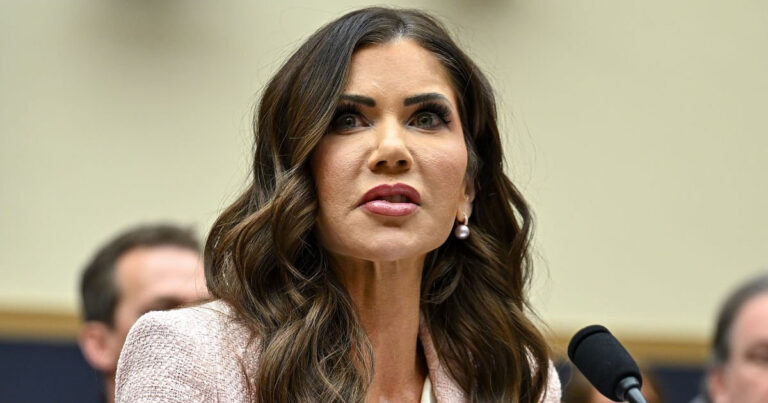

(Photo by Yeni React /Youtube)
As the United States crosses into 2026, the digital landscape is being flooded with a somber retrospection of the past year, defined by many as “2025: The Year of Regret.” A series of viral compilations, notably from social media commentator Yenitza Ticay and activist Alex Pearlman (known as Pearlmania500), have cataloged a growing phenomenon dubbed “MAGA Regret.”
These videos highlight a stark disconnect between campaign promises and the harsh economic realities facing many working-class Americans who supported the current administration. The trend began in early 2025 with fiery rants from Pearlman, who pointed to the surreal emergence of food banks in private daycare lobbies as proof of a systemic failure to support American families.
“We aren’t under-babied, we’re underpaid,” Pearlman shouted in a video that garnered millions of views. He criticized the federal government for prioritizing foreign aid, citing $40 billion sent to Argentina and military expenditures for missiles, while domestic SNAP benefits were slashed and families struggled to afford necessities.

The compilation videos feature heartbreaking testimonials from a diverse array of voters. One segment showcases a Black Trump supporter expressing disbelief as he recounts the cutting of “the big beautiful Bill,” questioning if his support was the “smartest play” after all.
In Arkansas, a town hall of MAGA-aligned farmers broke down in tears, admitting that without emergency federal funding, up to 30% of local farms would face bankruptcy. “No way,” one farmer said when asked if he would vote for the President again. “It couldn’t happen.”

Economists suggest that the disillusionment stems from a “perfect storm” of policy shifts. In late 2025, HUD implemented new income verification rules that significantly impacted Section 8 and public housing tenants.
The rules, which include real-time data checks against IRS and Social Security records, have led to immediate rent hikes and the termination of assistance for those unable to report gig-economy income within a strict ten-day window. Single parents, such as Chris Wright of Richmond, reported being “financially crushed” by these changes, despite his initial support for “change in D.C.”
The health sector has seen similar turmoil. In Texas, a pro-life mother of three shared her terrifying experience with a high-risk pregnancy. She expressed regret over her voting history after her doctor informed her that state laws prohibited necessary life-saving procedures if the baby died in the womb.
“I’m not going to have an abortion,” she cried, “but if my life is in danger, why can’t I save myself? This cannot be real.” These stories are unified by a sense of betrayal. Supporters who cheered for tariffs and “no tax on overtime” found that the reality involved higher grocery prices and deeper federal reach into their paychecks.

As the 2026 election cycle looms, these compilations serve as a digital archive of a nation’s growing pains, illustrating that for many, the “prosperity” promised in 2024 has remained just out of reach.
READ NEXT
- Lori Loughlin ‘feels like she got her spark back’ and is dating again after split from Mossimo Giannulli
- Denise Richards furious after court orders spousal support payments to estranged husband
- Megan Fox reportedly takes drastic action against Machine Gun Kelly after rapper’s flirty comments
- Kim Kardashian 1995 John Galliano set reaches $80 million bid at charity auction
- Aerie partners with Pamela Anderson to reject AI-generated marketing